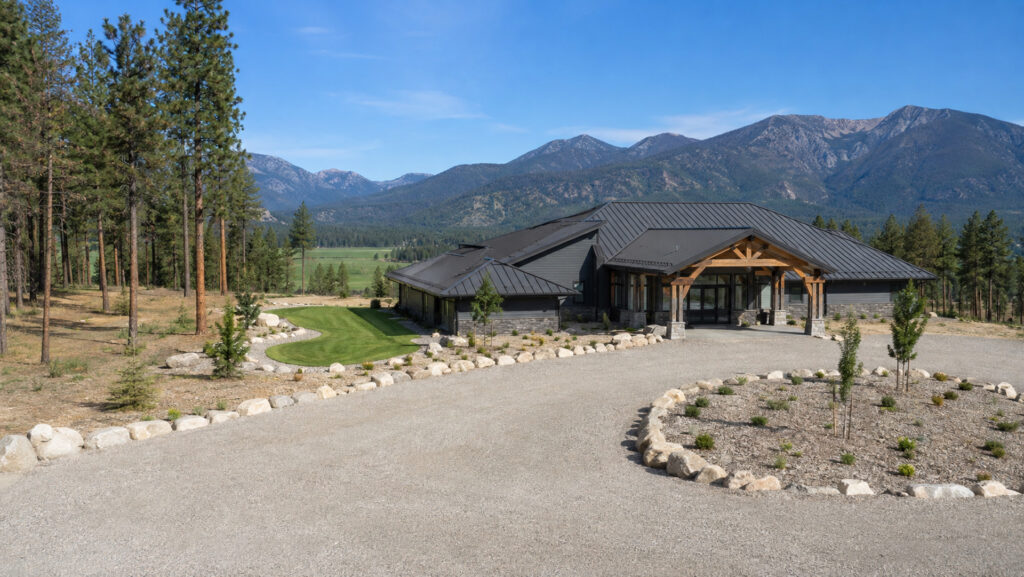
What businesses can do before renewal season
Wildfire has become one of the most influential factors in commercial property underwriting across Western Montana. Businesses near forested land, steep terrain or the wildland-urban interface may encounter more detailed inspections, higher deductibles, tighter coverage terms or fewer carrier options.
Insurers are no longer evaluating only the building itself. Underwriters may examine the vegetation surrounding it, nearby structures, road access, water availability and the surrounding concentration of wildfire exposure.
The Montana Commissioner of Securities and Insurance encourages property owners in wildfire-prone areas to mitigate hazards and create a detailed inventory before a loss. Photographs, videos, serial numbers and receipts can help speed up a claim and document what was damaged.
Source: Montana Commissioner of Securities and Insurance
What commercial-property underwriters are looking at
- Trees or branches overhanging buildings
- Combustible vegetation immediately next to structures
- Wood piles, pallets or propane tanks located too close to buildings
- Wood roofs or deteriorated exterior materials
- Limited fire-department access
- Narrow or poorly maintained roads
- Lack of reliable water sources
- Nearby vacant or poorly maintained structures
- Outdated electrical, heating or fire-suppression systems
- Buildings insured below current reconstruction cost
Businesses with multiple buildings, outdoor storage, heavy equipment, fuel tanks or seasonal operations may receive additional scrutiny.
Replacement cost deserves special attention
Construction costs can change significantly between renewals. A building insured for its market value or original purchase price may be severely underinsured because insurance must account for the cost of reconstruction – not the property’s resale value.
- Current labor and material costs
- Debris removal
- Demolition and increased construction costs
- Building-code upgrades
- Professional fees and permitting
- Signage, fencing and outdoor property
- Machinery and permanently installed equipment
- Inventory fluctuations
- The time required to rebuild in a rural area
An inadequate building limit can create a funding shortage after a major loss and may also lead to a coinsurance penalty on a partial claim.
Mitigation can improve insurability
Businesses should create and maintain defensible space, remove dead vegetation, trim overhanging limbs and move combustible materials away from structures. Roofs, gutters and exterior areas should be kept clear of pine needles and debris.
Owners should document completed improvements with dated photographs, contractor invoices and inspection reports. These records can help an independent agent present the property more favorably to underwriters, although mitigation does not guarantee acceptance or a lower premium.
Start early
A difficult commercial property should not be marketed a few days before expiration. Starting the renewal process 60-90 days in advance provides time to address inspection issues, update valuations and compare coverage options.
| The takeaway: Prepare the property and the submission together. Updated valuations, documented mitigation and an early start can make the underwriting process more productive. |
Sapphire Peak Insurance helps Western Montana businesses prepare their properties for underwriting and evaluate coverage based on the actual exposures surrounding each location.
Risk improvements may improve eligibility but do not guarantee coverage, pricing or renewal.